About
I connect the dots.
I’m a design and experience leader who sees the whole before solving the parts. I’m drawn to complex problems—the kind that cross products, teams, customer journeys, and business priorities—and I help turn that complexity into a clear vision people can rally around.
My work sits at the intersection of experience strategy, product, research, brand, and design leadership. I care as much about defining where an experience should go as I do about building the teams and systems capable of getting it there.
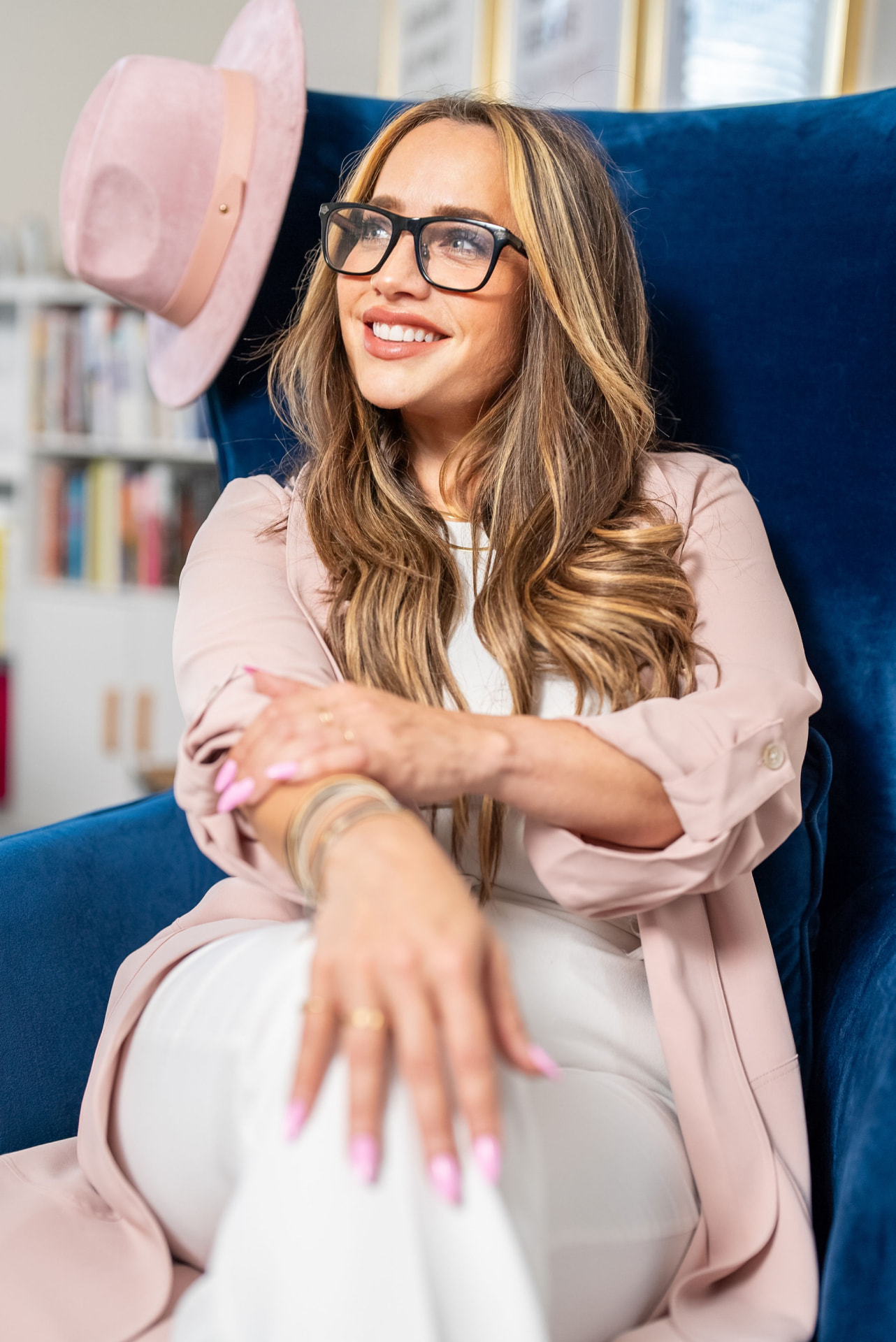
A decade of different perspectives.
Over the last decade, I’ve shaped experiences across SaaS, healthcare, financial services, media, insurance, and consumer products.
I’ve designed products. Built research practices. Defined experience strategies. Created design systems. Built and led multidisciplinary teams. And helped organizations move from thinking about design as a service to using it as a way to make better decisions.
That range has shaped how I lead today: start with the whole experience, understand the humans inside it, and connect the work back to what the business is trying to accomplish.
A deeply human approach
I care deeply about the humans on the other side of the experiences I build—their context, their emotions, what they’re trying to accomplish, and what’s at stake for them.
That belief has shaped the work I choose and the way I lead. I’m drawn to products that have the potential to make a real difference in people’s lives—where getting the experience right matters beyond engagement, conversion, or growth.
I don’t see people as users moving through screens. I see products as part of their lives, and design as a responsibility to make those experiences clearer, more useful, more trustworthy, and more human.
That’s also why my work tends to extend beyond the product itself. I look at the systems surrounding the experience—the journey, relationships, teams, decisions, and business—to understand what has to come together to create something genuinely valuable.
Most recently, that has meant leading design for an especially human challenge: helping people move from addiction toward recovery. But regardless of the problem, I keep coming back to the same question:
What does this human need from us—and how do we build something that truly makes a difference?
I build teams, not just products
Great experience vision means very little without people who can bring it to life.
I lead multidisciplinary teams across product design, research, brand and communication design, and innovation. I care deeply about creating environments where designers have clarity, ownership, room to challenge assumptions, and a path to grow.
My job isn't to have every answer. It's to create the conditions where talented people can find better ones.
How I think about design.
Start with the business problem, not the design deliverable.
The right answer isn't always another screen.
See the whole before optimizing the parts.
Customers experience a journey, not an org chart.
Build systems, not just solutions.
Good decisions should make the next decision easier.
Evidence over opinion.
Research, behavior, and data create better conversations than hierarchy does.
Design is a leadership function.
The greatest value of design isn't making decisions look better. It's helping organizations make better decisions in the first place.
The career so far.
Experience Design Leadership
Experience strategy · Product · Research · Brand · Design systems
VP of UX
Digital & CX strategy · Design leadership · Design operations
Product and experience work
Across media, healthcare, financial services, and consumer products.
Each chapter expanded the lens—from designing interfaces, to designing products, to designing experiences, to helping organizations create the conditions for better experiences.
A little beyond the work.
I’m endlessly curious about why people do what they do. I like hard problems, candid conversations, ambitious ideas, and people who are willing to challenge “the way we’ve always done it.”
I believe the best design leaders stay close enough to the work to understand it, far enough back to see the system, and curious enough to keep asking whether there’s a better way.
And there usually is.